November 11, 2026

Go-live day feels like the finish line. The boards are built, the automations are switched on, the data's migrated, and everyone's had their training session. Time to celebrate, right?
Not quite. Go-live is where the real work starts. It's the moment your team decides, quietly and one habit at a time, whether monday.com becomes how they work or just another tab they ignore. And that's exactly the stage too many implementations leave to chance.
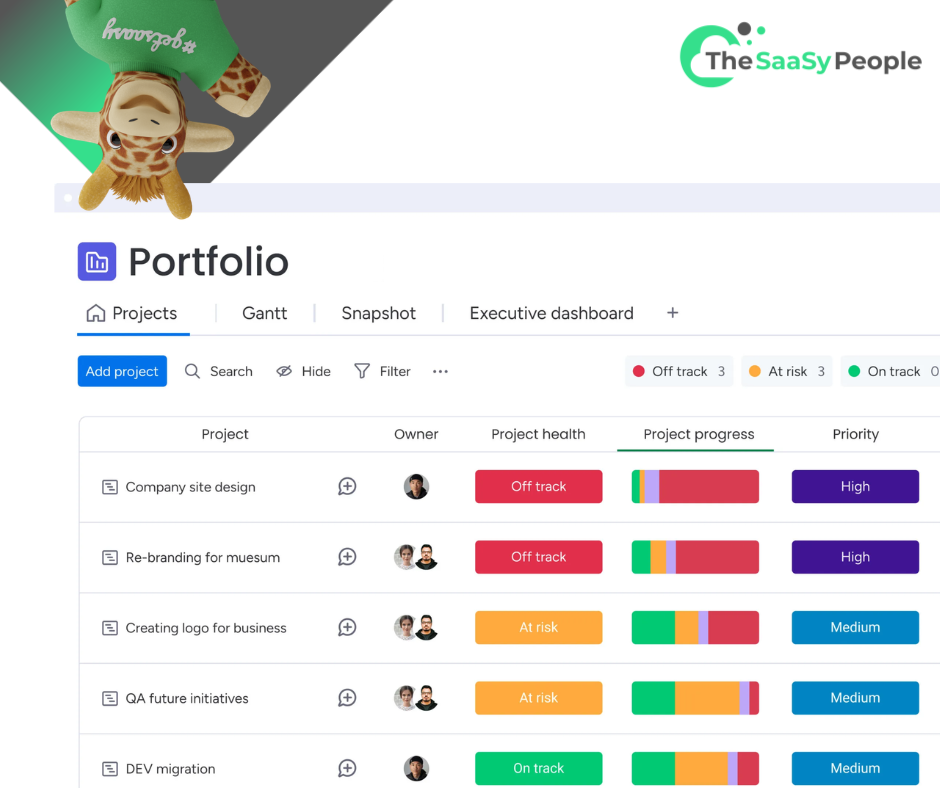
What is the adoption gap?
The adoption gap is the distance between what your monday.com workspace was built to do and what your team actually uses it for. It shows up after go-live, when the implementation project ends but the behavior change hasn't happened yet. Boards get abandoned, automations break when processes shift, spreadsheets creep back in, and the ROI you signed off on never quite arrives.
It's rarely a platform problem. It's a "nobody owns what happens next" problem.
The numbers behind the gap
This isn't a monday.com issue. It's a SaaS-wide one.
According to Zylo's 2026 SaaS Management Index, organizations leave 46% of their licenses unused on average, adding up to roughly $19.8M in wasted SaaS spend each year. That's nearly half of what companies pay for, sitting idle.
Feature usage tells a similar story. According to Pendo, 80% of features in the average software product are rarely or never used.
Put those together and the picture's clear: buying great software and building it well doesn't guarantee anyone uses it. Adoption needs its own plan.
Five signs your monday.com rollout is stalling
Your spreadsheets are back. If teams are exporting boards to Excel or Google Sheets to "actually work," the workspace isn't serving them.
Boards look busy but the data's stale. Statuses that haven't moved in weeks mean people are updating somewhere else, or not at all.
One person is holding it all together. If your internal admin is the only one who understands how the automations work, you've got a single point of failure.
Your processes changed, but your workspace didn't. New team structures, new products, new pipeline stages. If monday.com hasn't kept up, people will route around it.
Nobody's touched the new features. monday.com ships updates constantly. If your team hasn't explored what's been released since go-live, you're paying for capability you're not using.
Why AI makes the gap even wider
Here's the twist for 2026. monday.com's AI capabilities are moving fast. monday.com now offers Sidekick as a context-aware assistant, agents that run repetitive processes continuously, Vibe for building custom apps from a prompt, and MCP for connecting tools like Claude and ChatGPT to your workspace data.
That's huge potential. But AI only works as well as the workspace underneath it. Messy boards, inconsistent statuses, and half-used automations give agents nothing reliable to work with.
Rushed AI rollouts also carry real risk. According to Gartner, over 40% of agentic AI projects will be canceled by the end of 2027 due to escalating costs, unclear business value, or inadequate risk controls.
The teams that win with monday AI won't be the ones who switch it on first. They'll be the ones with clean, adopted workspaces ready for it.
What closing the gap actually looks like
Closing the adoption gap isn't one more training session. It's a rhythm: review what's working, fix what isn't, and keep building as your business changes.
Even monday.com recommends that new customers start with an implementation and then continue with managed services to maintain and optimize their account as they scale. It describes managed services as recurring hours to continuously build out workflows and maintain your account, separate from one-time projects like migrations.
In practice, that comes down to two things.
A health check to find out where you really stand. A structured review of your existing setup shows you which boards are thriving, which are gathering dust, where automations have drifted, and what's blocking your team from getting value.
Ongoing support to keep you moving. Once you know where the gaps are, you need someone to close them, and to keep closing them as your processes evolve and new features land.
How The SaaSy People help you close the gap
We're an award-winning monday.com partner with a US team in Austin, Texas, and we've built our services around what happens after go-live, not just before it.
monday.com Health Checks. Our certified consultants review your workspace end to end and deliver a clear findings and recommendations report. You'll know exactly what's working, what's not, and what to fix first. It's also the smartest first step before rolling out monday AI, because it tells you whether your data and workflows are ready for agents.
monday.com Managed Services. Think of it as an extension of your team for ongoing platform administration. We handle configuration changes, new builds, automation updates, troubleshooting, training, and continuous optimization. We bill hourly on a rolling monthly basis, so you can flex hours to match your business needs, with no long-term lock-in.
Many of our customers start with a build and move into Managed Services for the long run. Others come to us after going live with another partner and realizing adoption needs dedicated attention. Either way, the goal's the same: a workspace your team actually uses, that keeps getting better.
Ready to close your adoption gap?
Your monday.com investment shouldn't stop paying off the day the project ends. Book a free consultation with a SaaSy expert and we'll show you where your workspace stands and how to get your team fully on board. Book your free monday.com consultation
FAQ’s
What's the difference between implementation and managed services?
Implementation is a scoped project with a defined end, like building your workspace or migrating your data. Managed Services are ongoing administration after go-live, covering changes, new builds, fixes, and optimization as your business grows.
How do I know if my monday.com account needs a health check?
If you're seeing stale boards, workarounds in spreadsheets, broken automations, or low usage of new features, a health check will pinpoint why and what to do about it.
Should I fix adoption before rolling out monday AI?
Yes. AI agents and Sidekick rely on clean, consistent workspace data. Getting adoption right first means your AI has something reliable to work with.
How soon after go-live should we book a health check?
Ideally within the first few months, once your team has had time to settle into new habits but before workarounds become the norm. After that, regular check-ins help you catch drift as your processes, teams, and monday.com's features change.
How many Managed Services hours will we need?
It depends on how much your workspace is changing. Managed Services is billed hourly on a rolling monthly basis, so you can scale your hours up during busy periods, like a new product launch or monday AI rollout, and dial them back when things are steady.
Will Managed Services replace our internal monday.com admin?
No, it backs them up. We work alongside your internal admin or champion, taking on the builds, fixes, and optimization work they don't have time for, so your workspace never depends on one person holding it all together.